

Sep 302 min read
Aug 82 min read

Every October, the world seems to turn pink.
We see ribbons on clothing, buildings, social media posts, church bulletins, sporting events, and storefronts. We celebrate survivors, honor those we have lost, encourage early detection, and remind one another of the importance of breast health.
For me, Breast Cancer Awareness Month is deeply personal.
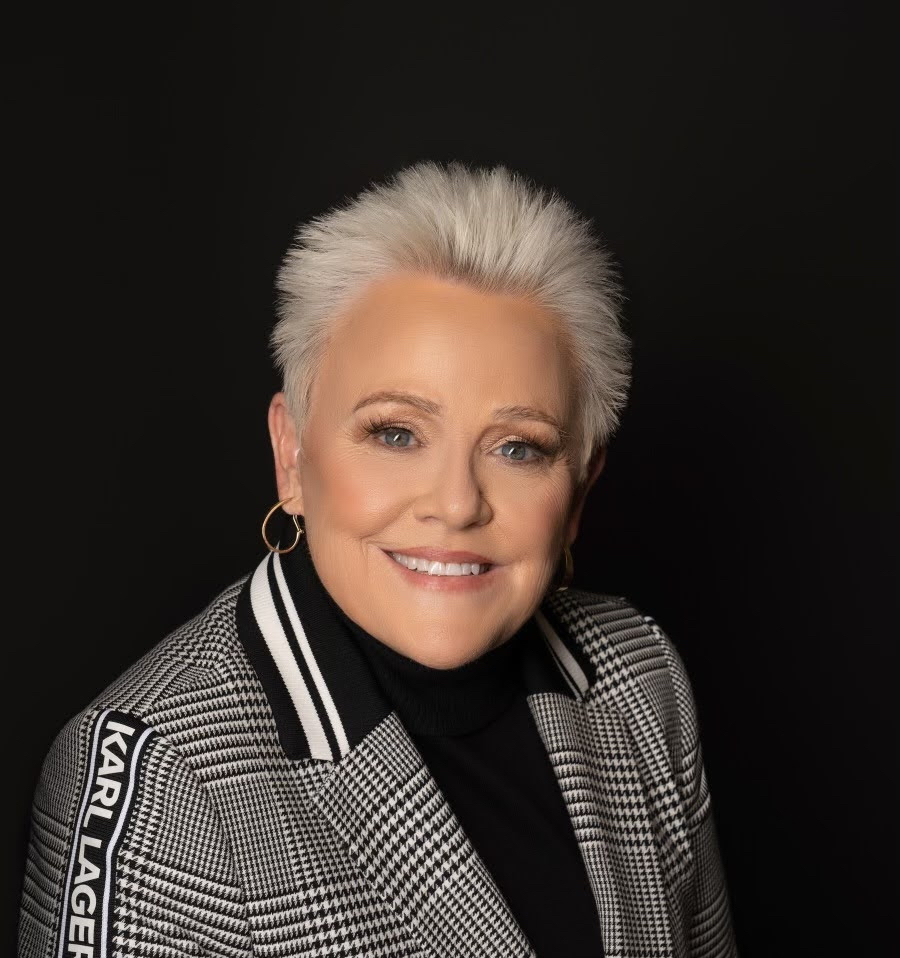
I am a breast cancer survivor.
And in March 2025, I received the words I had prayed and hoped to hear: I was cancer-free.
Even now, those words carry tremendous meaning.
Cancer changes more than your medical chart. It changes how you think about time. It changes how you hear the word “tomorrow.” It changes how you understand vulnerability, courage, faith, relationships, and what it means for someone simply to be present with you.
My journey through breast cancer taught me many lessons, but one continues to shape the work I do today:
Sometimes people do not need us to fix what they are facing. They need to know they do not have to face it alone.
That truth sits at the heart of the work I am privileged to do as the Companionship Coordinator at Pathways 2 Promise.
Cancer Is More Than a Physical Journey
When people hear the word cancer, we naturally think about the physical aspects of the disease: appointments, tests, surgery, treatment, medication, recovery, and follow-up care.
But there is another journey happening at the same time.
The emotional journey.
There can be fear between appointments.
Anxiety while waiting for test results.
Questions about the future.
Changes in how you see your body.
Concern for the people you love.
Exhaustion from trying to remain strong.
And sometimes there is the quiet pressure to reassure everyone around you that you are doing fine, even when you are still trying to understand how you really feel.
Cancer reminded me that mental, emotional, spiritual, and physical wellness are deeply connected.
A person is never simply a diagnosis.
Behind every diagnosis is a human being with relationships, dreams, responsibilities, fears, memories, faith, and hopes for tomorrow.
That person needs medical care.
But that person also needs connection.
The Power of Someone Who Stays
One of the most powerful lessons I learned during my journey is that presence matters.
We often believe we need exactly the right words when someone is going through something difficult.
We want to make it better.
We want to offer advice.
We want to reassure them.
But sometimes there are no perfect words.
Sometimes what matters most is the person who calls.
The friend who sits beside you.
The church member who remembers your appointment.
The family member who listens without immediately trying to solve the problem.
The person who checks on you after everyone else assumes the crisis has passed.
The caregiver who makes sure you eat.
The person willing to sit quietly with you when you do not feel like talking at all.
That is what Companionship teaches us.
Companionship is not about becoming someone’s therapist.
It is not about diagnosing another person.
It is not about having every answer.
It is about being willing to enter another person’s world with dignity, compassion, and respect.
Sometimes our presence says more powerfully than words ever could:
“I see you. I hear you. I am here. You do not have to walk through this alone.”
Survival Deepened My Assignment
When I became cancer-free in March 2025, I was profoundly grateful.
But over time, I began to understand that survival meant more to me than simply having come through an illness.
Survival did not simply give me more time. It deepened my assignment.
It deepened my commitment to helping people feel seen.
It deepened my passion for mental and emotional wellness.
It strengthened my desire to help churches, workplaces, neighborhoods, and organizations become places where people can be honest about what they are carrying.
I want us to create communities where people do not have to hide their pain in order to belong.
Communities where someone experiencing depression can speak without shame.
Where a caregiver can admit they are exhausted.
Where the person grieving does not have to hurry.
Where someone living with anxiety can say, “I am struggling today.”
Where the person facing cancer can say, “I am afraid,” without someone immediately telling them to “stay positive.”
Sometimes courage is not pretending we are unafraid.
Sometimes courage is being able to tell the truth in the presence of someone safe enough to hear it.
That is why I believe so strongly in the Companionship Movement at Pathways 2 Promise.
We are helping people rediscover something remarkably simple and extraordinarily powerful:
how to be present for one another.
This October, Look Beyond the Pink Ribbon
This Breast Cancer Awareness Month, I absolutely encourage you to wear pink.
• Celebrate survivors.
• Remember those we have lost.
• Encourage screenings.
• Support research.
But I also want to challenge us to go one step further.
Look beyond the ribbon and see the person.
Think about the woman waiting for test results.
Think about the survivor whose treatment ended but whose emotional recovery continues.
Think about the spouse or family member who became a caregiver.
Think about the person who appears strong because they have become very good at hiding how tired they really are.
And then ask yourself one simple question:
Who can I show up for?
• Make the phone call.
• Send the message.
• Sit beside someone.
• Listen without interrupting.
• Ask how the caregiver is doing.
• Remember the difficult anniversary.
• Notice when someone has disappeared.
• Invite them back into community.
You may not be able to change their circumstances.
You may not be able to remove the diagnosis, grief, anxiety, loneliness, or fear.
But you can help make sure they do not carry it alone.
In March 2025, I became cancer-free.
Breast cancer will always be part of my story, but it does not have the final word.
Purpose does.
Hope does.
Faith does.
Compassion does.
And today, I carry my survival into my work, my ministry, and my commitment to mental and emotional wellness with an even deeper conviction:
Healing happens in community.
Sometimes hope comes through medicine.
Sometimes hope comes through prayer.
And sometimes hope walks through the door in the form of another human being w
ho simply decided to stay.
Companionship: Because No One Should Walk Alone.
Comments